Every day, 55 African elephants are killed for their ivory. Around 20,000 elephants are poached annually, despite international bans. Wildlife rangers are our frontline defense in winning the war against wildlife crime.
We cannot protect elephants and rhinos without the support of rangers. Wildlife crime—including poaching and illegal wildlife trade—ranks among the top three global crimes alongside human trafficking and drugs. The scale of this crisis demands innovative solutions and unwavering dedication.
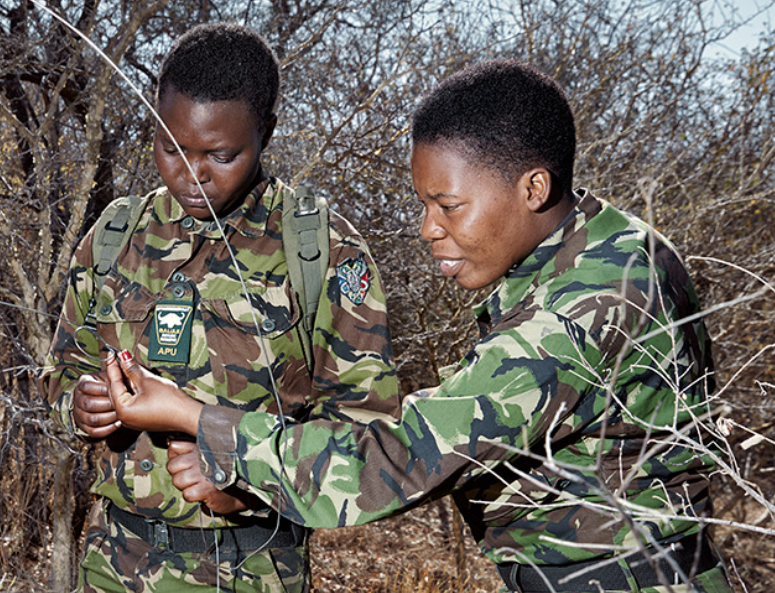
Enter The Black Mambas—an extraordinary all-female, unarmed anti-poaching unit that's changing the face of wildlife protection in South Africa.
Who Are The Black Mambas?
The Black Mambas are an all-female anti-poaching unit (APU) dedicated to protecting wildlife in South Africa. Founded in 2013 by Transfrontier Africa NPC, they initially protected the Olifants West Region of Balule Nature Reserve. Their success was immediate and undeniable.
Within their first year of operation, the Black Mambas were invited to expand into other regions. Today, these remarkable women protect all boundaries of the 62,000-hectare Balule Nature Reserve, part of the Greater Kruger Area—one of Africa's most critical wildlife habitats.
The Broken Window Philosophy
The Black Mambas operate according to the "Broken Window" philosophy, working tirelessly to make their area of influence the most undesirable, most difficult, and least profitable place to poach any species.
This approach focuses on:
- Consistent daily patrols and surveillance
- Early detection of poaching activities
- Removing snares and traps promptly
- Maintaining visible ranger presence
- Community engagement and education
- Making poaching operations too risky and unprofitable
With a passion for wildlife and rhino conservation, these women serve as the voice in their communities through their conservation work—bridging the gap between wildlife protection and community understanding.
A Different Value System: Multi-Generational Impact
By founding The Black Mambas, Transfrontier Africa implemented a groundbreaking new strategy by bringing a different value system into the conservation arena. This wasn't just about adding more rangers—it was about fundamentally changing how conservation connects with communities.
As primary caregivers in their communities, women ensure a multi-generational impact. This investment in wildlife security extends far beyond the reserve boundaries because these women return home each day to their families and communities.
Many of the families in these communities are single-parent households where at least two generations of women are raising children. It's these women who pass life values and knowledge about the world to the next generation. When we empower women with conservation knowledge and strong skills, they raise an entirely different generation of people—children who grow up understanding the value of protecting wildlife.
Transforming Lives, Empowering Women
Young women who are primary caregivers in their communities are carefully selected, trained, and deployed as Black Mambas. This opportunity transforms their lives in profound ways.
Professional Identity and Economic Empowerment
Becoming an anti-poaching ranger gives these women a new professional identity and the possibility of earning an income—critically important in circumstances where South Africa's unemployment rate is very high.
For many Black Mambas, this is their first formal employment opportunity. The regular income allows them to support their families, send children to school, and build financial security. They transition from economic vulnerability to becoming breadwinners and role models.
Building Patriotism and Pride
The presence of the Black Mambas has built patriotism in their villages. Community members see their daughters, sisters, and neighbors protecting South Africa's natural heritage—instilling pride and changing perspectives on conservation from something foreign to something valuable and achievable.
Community and Environmental Education
The objectives of the Black Mambas project extend far beyond boots on the ground. These 23 young rangers and 7 Environmental Monitors serve as powerful role models in their communities.
They want their communities to understand that the benefits are greater through wildlife conservation rather than poaching. They address the social and moral decay that's a product of rhino poaching within their communities—not with judgment, but with education, opportunity, and hope.
Partnership With Bush Babies Program
The Black Mambas work closely with the Bush Babies environmental school program, bringing conservation education directly to children. When Black Mambas visit classrooms in their uniforms, students see living proof that women can be powerful protectors of wildlife and that conservation careers are accessible to them.
This educational outreach creates a virtuous cycle: educated children influence their families, communities shift their attitudes toward wildlife, and future generations grow up valuing conservation.
Protecting HERD and the Jabulani Elephants
The Black Mambas operate in areas surrounding HERD and the Jabulani Elephants. Early detection and rapid response are critical to preventing poachers from harming elephants and other wildlife.
Anti-poaching units are the first line of defense, providing boots on the ground and taking responsibility for early detection of poaching insurgents through monitoring and surveillance during daily patrols. Their presence creates a protective shield around vulnerable wildlife populations.
Unarmed But Not Powerless
Remarkably, the Black Mambas are unarmed—they carry no weapons. Instead, they rely on their training, vigilance, teamwork, and communication with armed backup units when threats are detected.
This approach offers several advantages:
- Reduces potential for violent confrontations
- Focuses on prevention rather than confrontation
- Makes community engagement safer and more trusted
- Demonstrates that intelligence and dedication can be as powerful as weapons
- Creates role models that children can safely approach
Their success proves that strategic, intelligent conservation work can be incredibly effective without militarization.
Measurable Impact
Since their inception, the Black Mambas have achieved remarkable results:
- Significant reduction in poaching incidents in their patrol areas
- Thousands of snares removed, saving countless animals
- Increased community reporting of suspicious activities
- Educational programs reaching thousands of students annually
- Recognition as a global model for community-based conservation
Their work has garnered international recognition, including the United Nations Champions of the Earth award, demonstrating that their approach isn't just effective locally—it's changing global perspectives on conservation.
Supporting The Black Mambas
The Black Mambas rely on support from organizations and individuals who understand that protecting wildlife requires empowering communities. Your support helps:
- Provide salaries for rangers and their families
- Fund training and professional development
- Supply essential equipment and communication tools
- Support educational outreach programs
- Expand operations to protect more wildlife areas
Every donation goes directly to the Black Mambas project, ensuring these extraordinary women can continue their vital work protecting South Africa's wildlife while transforming their communities.