Conservation begins with education, and education begins with ensuring children have the basic foundations they need to learn and thrive. At Mpisi Primary School in Hoedspruit, South Africa, we're witnessing the power of combining nutrition support, environmental education, and hands-on conservation activities to create lasting change.
The Challenge: Learning on Empty Stomachs
Reducing human-elephant conflict can only be achieved by involving local communities and empowering young learners. By building partnerships with schools, we join forces with local projects to share elephant conservation awareness and sustainability knowledge.
HERD has established a vital partnership with Mpisi Primary School, located in the neighborhood of Hoedspruit. But before we could address conservation education, we had to confront a more immediate crisis: childhood malnutrition.
Before the COVID-19 pandemic, 1 in 3 children in South Africa suffered from malnutrition. That number has grown significantly since the pandemic.
Many children at Mpisi Primary School have their only meal of the day at school, coming from impoverished homes where parents can't always provide adequately for their families. Malnutrition causes irreversible loss of physical and cognitive ability—making it impossible for children to focus, learn, and dream of a future in conservation.
Our Solution: The Little Learners Program
The Little Learners program takes a holistic approach to supporting Mpisi Primary School students through multiple interconnected initiatives:
1. Nkosi Nutrition Bars: Fueling Minds and Bodies
Together with educational and sustainable activities, this program provides children with Nkosi supplementary bars—packed with essential nutrition crucial for the development of children. These bars are delivered to Mpisi School on a monthly basis.
The pupils were weighed before the program started to establish a baseline for measuring the effectiveness of the nutrition intervention going forward. Well-nourished children can concentrate in class, retain information, and actively participate in learning—building the foundation for becoming future conservation leaders.
2. School Materials: Connecting Children with Elephants
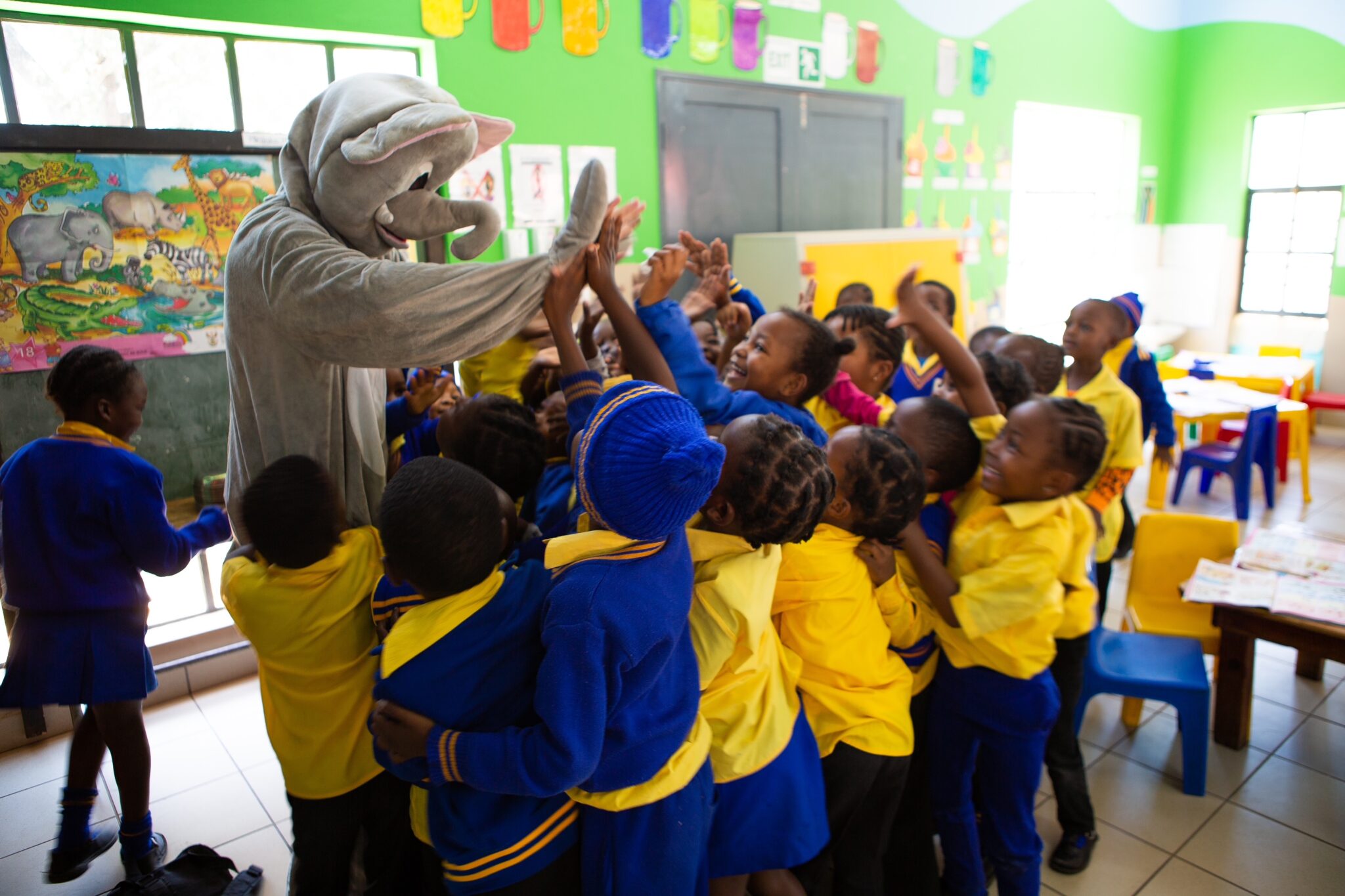
To create conservation awareness, students are involved in fun elephant-related activities. We provide school materials for elephant picture coloring and drawing lessons, allowing children to connect with these magnificent animals in a positive and engaging way.
The artwork created by students can be shared with their loved ones at home, spreading conservation messages throughout the community. When we visited the school, we discovered the beautiful impact HERD is making through these creative educational approaches.
3. Community Vegetable Garden: Growing Food and Knowledge
Elder students learn practical skills like growing a vegetable garden, implementing rain harvesting systems, and contributing to recycling efforts. This hands-on environmental education gives students knowledge they can take home to practice and develop good green habits that positively impact their lives and families.
The community garden serves multiple purposes:
- Provides fresh vegetables for school meals
- Teaches sustainable agriculture practices
- Demonstrates water conservation through rain harvesting
- Creates a peaceful outdoor learning environment
- Builds pride and ownership within the student community
How You Can Support Little Learners
The Little Learners program relies on support from donors who understand that conservation education must start with meeting children's basic needs. Here's how your contribution makes a difference:
Provide Nutrition Bars
Monthly supplies of Nkosi bars ensure that children have the energy and focus needed to learn and grow.
Supply School Materials
Art supplies, coloring materials, and educational resources enable creative conservation lessons that engage young minds.
Support the Community Garden
Help implement and maintain the vegetable garden, including rain harvesting infrastructure and gardening supplies.
Fund Elephant-Related Activities
Support interactive conservation programs that bring students closer to understanding and appreciating elephants.
Building Bridges Between Communities and Conservation
The Little Learners program represents more than just food security or educational supplies—it's about building bridges between impoverished communities and the incredible wildlife that lives alongside them.
Many of these children have never seen an elephant up close, despite living near wildlife habitats. Through this program, they learn that elephants aren't threats or competitors for resources—they're magnificent creatures worth protecting, part of an interconnected ecosystem that supports all life.
By nurturing healthy bodies, curious minds, and conservation awareness in these young learners, we're investing in a generation that will grow up understanding their role as stewards of Africa's precious wildlife heritage.
The Ripple Effect
When a child learns to grow vegetables sustainably, that knowledge returns home to their family. When a student creates elephant artwork, conservation conversations happen around dinner tables. When nutrition bars help a child concentrate in class, they can pursue education and future careers—including in conservation.
The Little Learners program creates ripples that extend far beyond the school gates, transforming entire communities' relationships with wildlife and the environment.